
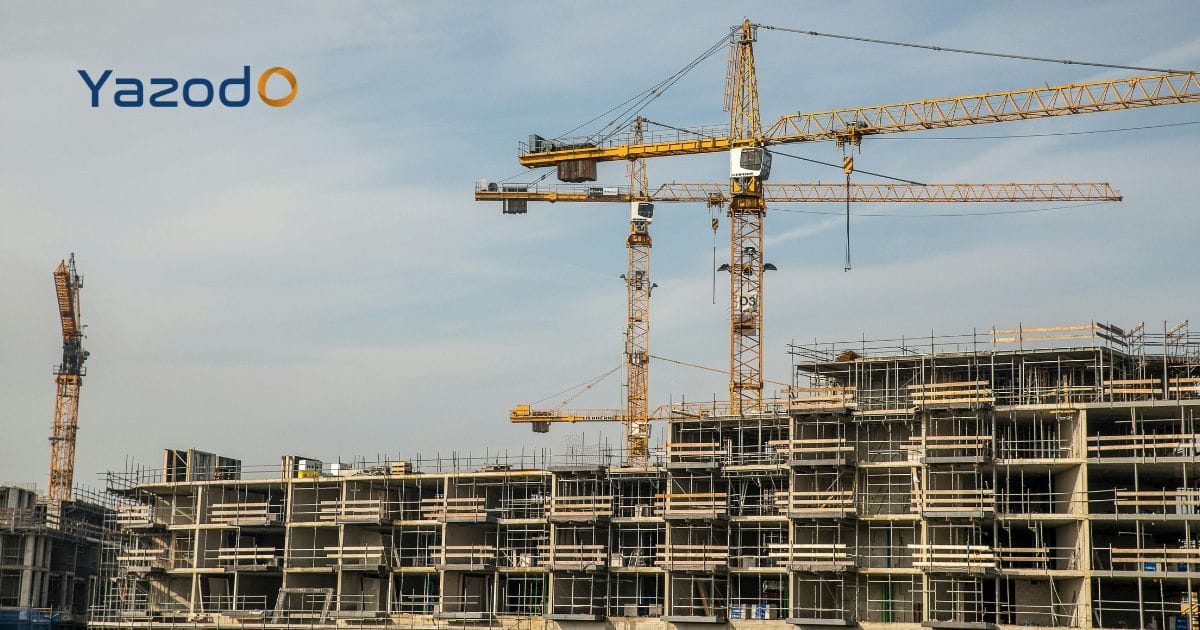
Off-Plan Property Mortgage in Dubai - Complete Buyer's Guide
Dubai’s off-plan property market is still an attractive option for both everyday buyers and investors. People love it because it offers flexible payment plans and the chance for the property value to grow over time. Since developers are launching new projects in both established and emerging areas, many buyers want to know one main thing. Can you actually use a mortgage to buy an off-plan property?
Unlike ready properties, off-plan homes involve a completely different financing structure. They come with lower loan-to-value (LTV) limits, and the payment schedule is directly tied to construction progress. When the bank releases the loan money, developer approvals, and property handover milestones—all of these factors deeply impact how the financing process works. Because of this, understanding these key differences is essential before you commit to any off-plan property purchase.
Whether you are a first-time buyer, an existing homeowner, or a non-resident investor, having a clear understanding of off-plan mortgage requirements can help you make informed decisions and avoid costly surprises. You need to carefully evaluate specific factors before making any decision. This includes, down payment requirements, project eligibility, developer reputation, potential construction delays.
In this long and descriptive write-up, we’ll cover how off-plan property mortgages work in Dubai. We will compare them with ready property financing, look at typical loan-to-value (LTV) ratios, walk you through the mortgage process step by step, and highlight the key things you need to keep in mind so you can make your purchase with absolute confidence.
Call us or share your details for a free eligibility check.
Call us or share your details for a free eligibility check. Our trusted advisors will guide you through every step with full clarity and transparency.
Request A Call Back
What Is an Off-Plan Property Mortgage in UAE?
An off-plan property mortgage is a home loan meant for buying a property that is still under construction. Instead of getting a finished home, you commit to a project before it is fully built. This setup lets buyers take advantage of flexible developer payment plans and gives the property a chance to grow in value by the time it is handed over.
In Dubai and across the UAE, financing for off-plan properties differs from standard home loans for ready properties. Banks typically finance only selected projects from approved developers and may apply lower loan-to-value ratios compared with completed properties. Buyers are generally required to contribute a larger down payment and meet the lender’s eligibility requirements.
Depending on the project and the payment structure, part of the purchase price may be paid directly to the developer during construction, while the mortgage is arranged closer to completion or handover. In some cases, financing may be linked to specific construction milestones.
Off-plan mortgages are available to eligible UAE residents and, subject to individual lender policies and applicable regulations, may also be available to non-resident buyers. The amount that can be financed, the timing of mortgage disbursement, and the required documentation can vary from one lender to another.
Understanding how off-plan financing works is crucial because the entire buying journey, your payment responsibilities, and the risks involved are completely different from buying a ready property.
How Off-Plan Mortgages Differ From Ready Property Mortgages
Off-plan and ready property mortgages differ mainly in timing and financing structure. Ready properties are completed, allowing the lender to disburse the loan and start monthly repayments immediately after transfer.
Off-plan properties are purchased during construction, with buyers making installment payments to the developer. Mortgage disbursement usually takes place at handover or an agreed milestone. Financing limits are generally lower, and lenders typically finance only approved projects.
|
Feature |
Off-Plan Property Mortgage |
Ready Property Mortgage |
|
Property Status |
Under construction |
Completed and ready |
|
Loan-to-Value Ratio |
Typically lower |
Typically higher |
|
Mortgage Disbursement |
Usually at handover or agreed milestone |
Upon property transfer |
|
Monthly Mortgage Payments |
Begin after loan disbursement |
Begin immediately after disbursement |
|
Developer Approval |
Required for eligible projects |
Not applicable |
|
Possession of Property |
After completion and handover |
Immediate after transfer |
The right option depends on your financial goals, cash flow, and preferred timeline.
LTV Ratios for Off-Plan vs Ready Properties in Dubai
Loan-to-value (LTV) ratio refers to the percentage of a property’s value that can be financed through a mortgage. The remaining amount must be contributed by the buyer as a down payment and associated purchase costs.
Ready properties generally qualify for higher financing limits, making them more accessible to buyers with smaller upfront capital requirements. Off-plan properties, however, typically require a larger initial contribution because lenders apply lower LTV ratios and finance only eligible projects.
While the exact financing available depends on factors such as residency status, property value, and lender policies, off-plan properties usually attract lower maximum LTV ratios than completed properties.
Property Type | Typical Maximum LTV |
Ready Property | Up to 80% |
Off-Plan Property | Around 50% |
Non-Resident Purchases | Subject to lender policies and may be lower |
For example, if an off-plan property is priced at AED 2 million and the bank offers up to 50% financing, you would need to pay the remaining AED 1 million yourself. On top of that, you will also need to cover the upfront registration fees and other standard transaction costs.
Since financing limits and rules can change depending on the bank and your personal situation, it is smart to get expert mortgage advice right at the start of your property search. Knowing exactly how much down payment you need helps you avoid delays and keeps you focused on properties that genuinely align or fit your budget.
Construction-Linked Payment Plans Explained
One of the defining features of off-plan property purchases in Dubai is the construction-linked payment plan. Instead of paying the full property value upfront or through a single mortgage transaction, payments are distributed across different stages of construction.
These plans are designed by developers to make owning a property much more flexible and accessible. The structure usually lets buyers pay a booking amount first, followed by installments tied directly to construction progress, and a final larger payment at handover. In some cases, you might even get post-handover payment options, depending entirely on the developer and the specific project terms.
A standard construction-linked plan may include the following stages:
- Booking / Reservation Payment: A small percentage paid upfront to secure the specific unit.
- During Construction: Installments spread out across key build milestones, such as the foundation, structure, and finishing stages.
- On Handover: A larger final payment due right before or at project completion.
- Post-Handover (if applicable): The remaining balance paid over a fixed period after you actually receive the keys.
While this structure helps buyers manage their cash flow much more effectively than paying a massive lump sum upfront, it requires careful financial planning. You must make these payments exactly according to the construction timelines, regardless of your mortgage approval status.
In many cases, banks will not finance the entire construction phase from day one. Instead, the mortgage usually becomes more relevant closer to completion—when the property is nearing handover and the bank can assess its actual value more accurately. This is exactly why matching your developer payment schedule with your bank’s financing readiness is a critical part of your buying strategy.
Understanding the payment structure in advance helps you avoid unexpected financial pressure while the property is being built. It ensures you are fully prepared for every single stage of your buying journey without any stressful surprises.
Call us or share your details for a free eligibility check.
Call us or share your details for a free eligibility check. Our trusted advisors will guide you through every step with full clarity and transparency.
Request A Call Back
When Does the Mortgage Actually Start for Off-Plan Properties?
The timing of when your off-plan mortgage starts for off-pan properties depends entirely on your bank, the developer, and the stage of construction. Unlike buying a ready property—where your monthly repayments start immediately after the property transfer, off-plan financing is built around future completion rather than instant ownership.
In most cases, the mortgage does not begin at the time of purchase. Instead, buyers follow the developer’s construction-linked payment plan during the building phase. The mortgage is typically formalized closer to handover, when the property is nearing completion and its market value can be assessed through valuation.
There are generally three key stages in the financing timeline:
- Mortgage Pre-approval Stage: This is your starting point. The bank reviews your income, credit profile, and financial documents to confirm your eligibility. It will give you a clear picture of your actual budget and maximum loan potential before you commit to a property.
- Construction Stage: Payments are made directly to the developer according to the agreed schedule. The mortgage remains inactive or conditional during this period.
- Handover Stage: The lender conducts a valuation of the completed property. If approved, the mortgage is finalized and funds are disbursed, either directly to the developer or through structured settlement. Monthly repayments begin shortly after this stage.
It is important to note that some lenders may require periodic reassessment during construction, especially if there are changes in income, market conditions, or project timelines.
Understanding this timeline helps buyers plan liquidity better and avoid assuming that mortgage repayments will begin immediately after booking an off-plan unit. Proper planning ensures smoother financial management from purchase to handover.
Developer Approval — What Does DLD-Approved Mean for Your Mortgage?
For off-plan properties in Dubai, developer approval is a key factor in mortgage eligibility. Banks generally finance only projects that are properly registered, licensed, and approved under the relevant real estate authority framework.
A “DLD-approved” (Dubai Land Department) project means the entire development is officially registered, the developer is fully authorized to sell off-plan units, and all buyer funds are legally protected. Your money goes directly into a regulated escrow account, linked to construction progress.
From a bank’s perspective, this DLD approval is mandatory. It significantly reduces their lending risk and ensures the project meets strict compliance, safety, and transparency standards.
Key checks include:
- Project registration and licensing
- Escrow account setup
- Developer authorization to sell off-plan units
For buyers, choosing an approved project improves the chances of mortgage approval and provides greater financial security, although due diligence is still essential before committing.
Risks of Buying Off-Plan Property With a Mortgage
Buying an off-plan property with a mortgage can offer great flexibility and strong long-term value potential, but it also comes with unique variables that you need to understand.
One key factor is construction delay. Project timelines may shift due to construction progress, approvals, or broader market conditions, which can affect handover dates and the timing of mortgage activation.
Market value fluctuations are another consideration. The property valuation at completion may differ from the original purchase price, which can influence the final mortgage amount approved by the lender.
Off-plan purchases also require staged payments during construction. This means buyers must manage installment commitments alongside other financial obligations before the mortgage is fully active.
In Dubai, registered off-plan projects are structured with mandatory escrow accounts and strict regulatory oversight from the Dubai Land Department (DLD). This setup safeguards your payments, ensuring your money is used strictly for construction and protecting you in case of project changes. While off-plan buying naturally comes with risks like construction delays, they are completely manageable. You can protect your investment by choosing approved developers, understand payment schedules, and plan your finances with a solid backup to cover any unexpected gaps before the hand over.
How to Verify a Developer Before Buying Off-Plan
Before purchasing an off-plan property in Dubai, verifying the developer and the project is an essential step to reduce risk and ensure eligibility for financing. A strong starting point is checking whether the project is officially registered with the relevant land authority in Dubai. Registered projects follow regulatory requirements, including structured escrow accounts that manage buyer payments during construction.
Buyers should also review the developer’s track record. This includes looking at previously completed projects, delivery timelines, build quality, and consistency in handover performance. Established developers with a strong delivery history are generally preferred by lenders as well.
Financial stability and project credibility are also absolutely vital. Developers with active, ongoing construction sites and transparent funding models are typically considered the safest bets for long-term commitments.
Key checks include:
- Project registration status
- Escrow account setup for buyer protection
- Developer’s completed project history
- Delivery timelines and past performance
- Overall market reputation and credibility
Taking time to verify these factors helps ensure smoother mortgage approval and reduces the likelihood of unexpected issues during construction or at handover.
Top Off-Plan Developers in Dubai
Dubai’s off-plan market is driven by a mix of established master developers and large private real estate companies. Lenders generally prefer projects from developers with a strong delivery history, transparent structures, and active project portfolios.
Some of the most prominent developers in the off-plan segment include:
- Emaar Properties — Known for large-scale master communities and landmark developments with a strong track record of delivery.
- DAMAC Properties — Offers a wide range of residential and luxury off-plan projects across Dubai.
- Nakheel — Specializes in waterfront and master-planned island communities.
- Aldar Properties — Major developer with strong presence in Abu Dhabi and expanding portfolio across the UAE.
- Sobha Realty — Focuses on high-quality construction and premium residential developments.
- Binghatti — Known for modern architectural designs and rapidly expanding off-plan projects.
These developers are commonly considered by banks for off plan mortgage financing due to their project approvals, regulatory compliance, and established delivery performance. However, individual project eligibility may still vary depending on lender policies.
Off-Plan Mortgage Process Step by Step
The process of financing an off-plan property in Dubai involves both developer payment schedules and bank assessment stages. While the exact sequence may vary slightly between lenders, the overall structure generally follows a clear path.
Step 1: Mortgage Pre-Approval
The buyer submits income and financial documents to the bank to determine eligibility and estimated borrowing capacity. This step helps define the budget before selecting a property.
Step 2: Choose an Eligible Off-Plan Project
Buyers select a property from a developer and project that is approved for financing by participating banks. Project eligibility plays a key role in mortgage approval.
Step 3: Sign the Sales Agreement (SPA)
Once the unit is selected, the buyer signs the Sales and Purchase Agreement with the developer and pays the initial booking amount as per the payment plan.
Step 4: Construction-Linked Payments
During the construction phase, payments are made directly to the developer according to the agreed milestone schedule. The mortgage remains inactive during most of this period.
Step 5: Property Valuation at Completion
As the project nears completion, the bank conducts a valuation to assess the current market value of the property.
Step 6: Final Mortgage Approval and Disbursement
If the valuation and documentation are satisfactory, the bank finalizes the mortgage and releases funds as per the agreed structure, typically at or near handover.
Step 7: Handover and Ownership Transfer
The property is handed over to the buyer, ownership is registered, and the mortgage repayment schedule begins.
This structured process ensures that financing is aligned with construction progress while maintaining regulatory and lending requirements.
Call us or share your details for a free eligibility check.
Call us or share your details for a free eligibility check. Our trusted advisors will guide you through every step with full clarity and transparency.
Request A Call Back
Documents Required for an Off-Plan Mortgage
Lenders in Dubai require specific documentation to assess eligibility and process an off-plan property mortgage. The exact requirements may vary slightly between banks, but the core documents remain consistent across most applications.
For salaried applicants, the following documents are typically required:
- Passport copy
- UAE residence visa (if applicable)
- Emirates ID
- Salary certificate from employer
- Recent bank statements (usually 3–6 months)
- Payslips (if requested by the lender)
For self-employed applicants, requirements are more detailed due to income verification needs:
- Passport copy
- UAE residence visa (if applicable)
- Emirates ID
- Valid trade license
- Company bank statements (typically 6 months)
- Audited financial statements (if available)
- VAT registration and filings (if applicable)
In addition to personal and business documents, banks may also request:
- Signed Sales and Purchase Agreement (SPA)
- Payment plan from the developer
- Project details and unit information
- Credit report or liability statements (if required)
Providing complete and accurate documentation at an early stage helps speed up pre-approval and reduces delays during the mortgage process
Costs Involved in an Off-Plan Property Purchase
When buying an off-plan property in Dubai, the total cost goes beyond the purchase price. Buyers should account for several additional charges that apply during different stages of the transaction.
The largest upfront cost is usually the down payment, which is paid according to the developer’s payment plan and is typically higher than ready property purchases due to lower financing ratios.
Other common costs include government and registration-related fees. These are generally payable during or shortly after signing the Sales and Purchase Agreement and are separate from the mortgage itself.
Typical costs include:
- Down payment: Paid in stages or upfront based on the payment plan
- Registration fees: Charged for property registration with the Dubai Land Department (DLD)
- Mortgage processing fees: Charged by the bank for loan setup (if applicable)
- Valuation fee: Required at completion for property assessment
- Property insurance: Often required by lenders after mortgage activation
- Life insurance (if required): Linked to mortgage protection policies
In addition to these, buyers should also consider ongoing installment commitments during construction before the mortgage begins. Proper budgeting for both construction payments and final financing costs is essential for maintaining financial stability throughout the purchase journey.
Is Buying Off-Plan With a Mortgage a Good Idea?
Buying an off-plan property with a mortgage in Dubai can work well for many buyers, but it depends on your budget, timeline, and how comfortable you are with construction-stage commitments.
One of the main benefits is flexibility. Developers usually offer staggered payment plans, so you don’t need to pay the full amount upfront. This makes it easier to enter the property market and manage payments over time while the project is being built.
There is also the potential for price appreciation during construction, especially in well-located or high-demand communities. Some buyers use this period to benefit from market growth before the property is completed.
At the same time, it’s important to plan carefully. Payments to the developer continue during construction, even though the mortgage typically starts later at handover. This means you need to manage cash flow until the property is ready.
Another key point is that the final mortgage amount depends on the property’s valuation at completion, which may be different from the original purchase price.
In simple terms, off-plan mortgages can be a good option if you choose a reliable developer, understand the payment schedule clearly, and are financially prepared for the construction period.
Call us or share your details for a free eligibility check.
Call us or share your details for a free eligibility check. Our trusted advisors will guide you through every step with full clarity and transparency.
Request A Call Back
FAQ — Off-Plan Property Mortgage in Dubai
Can I get a mortgage for an off-plan property in Dubai?
Yes, eligible buyers can obtain financing for selected off-plan projects approved by participating banks.
How much down payment is required for off-plan property in UAE?
It typically ranges higher than ready properties, often starting from around 20%–70% depending on the project and buyer profile.
What is the maximum LTV for off-plan mortgages?
Most lenders offer lower LTVs for off-plan properties, generally around 50%, subject to eligibility and project approval.
When do mortgage repayments start?
Repayments usually begin after handover when the mortgage is fully activated.
Can non-residents get an off-plan mortgage in Dubai?
Yes, some banks offer financing to non-residents, but terms and LTV ratios may differ.
Do all banks finance off-plan properties?
No, only selected banks finance off-plan units from approved developers and projects.
What happens if the project is delayed?
Payments continue as per the developer plan, and delays may affect handover and mortgage timing.
What is a construction-linked payment plan?
It is a structured schedule where payments are made in stages during the construction period.
How can I check if a developer is approved?
You can verify if the project is registered with the Dubai Land Department (DLD) and whether it has escrow protection.
Is off-plan better than ready property?
It depends on your goals—off-plan offers flexibility and potential appreciation, while ready properties offer immediate occupancy and rental income.